
A guide to custom decal applications — floor graphics, wall decals, vehicle spot graphics, window decals, and product labels — with material recommendations for each.
Published by Focus Graphics Team
The word "decal" covers an enormous range of applications — from a 2-inch product label to a 40-foot floor graphic in a convention center. The material, adhesive, laminate, and installation method change completely depending on where the decal goes and how long it needs to last. Choosing wrong means bubbling vinyl, premature peeling, or — in the case of floor graphics — a slip-and-fall liability.
Here's a breakdown of custom decal applications, what materials work for each, and what to watch out for.
Floor decals are used for wayfinding, branding, promotions, and event theming. You see them in retail stores, trade shows, airports, and hospitals. They work on polished concrete, VCT tile, sealed hardwood, and commercial carpet.
Material requirements: Floor graphics require a textured overlaminate with a certified slip coefficient. UL 410 certification is the standard — it tests the laminate's slip resistance and confirms it meets OSHA walking surface requirements. Using a standard gloss laminate on a floor graphic is a liability issue. Don't do it.
Best materials:
Durability: Indoor floor graphics on commercial tile last 3-6 months with normal foot traffic. High-traffic areas (building entrances, checkout lanes) wear faster. Outdoor sidewalk graphics last 2-4 weeks before showing wear.
Removal: Properly made floor graphics remove cleanly if pulled within their rated lifespan. Leave them past their window and you'll be scraping adhesive residue. Temporary event floors should use a repositionable adhesive system.
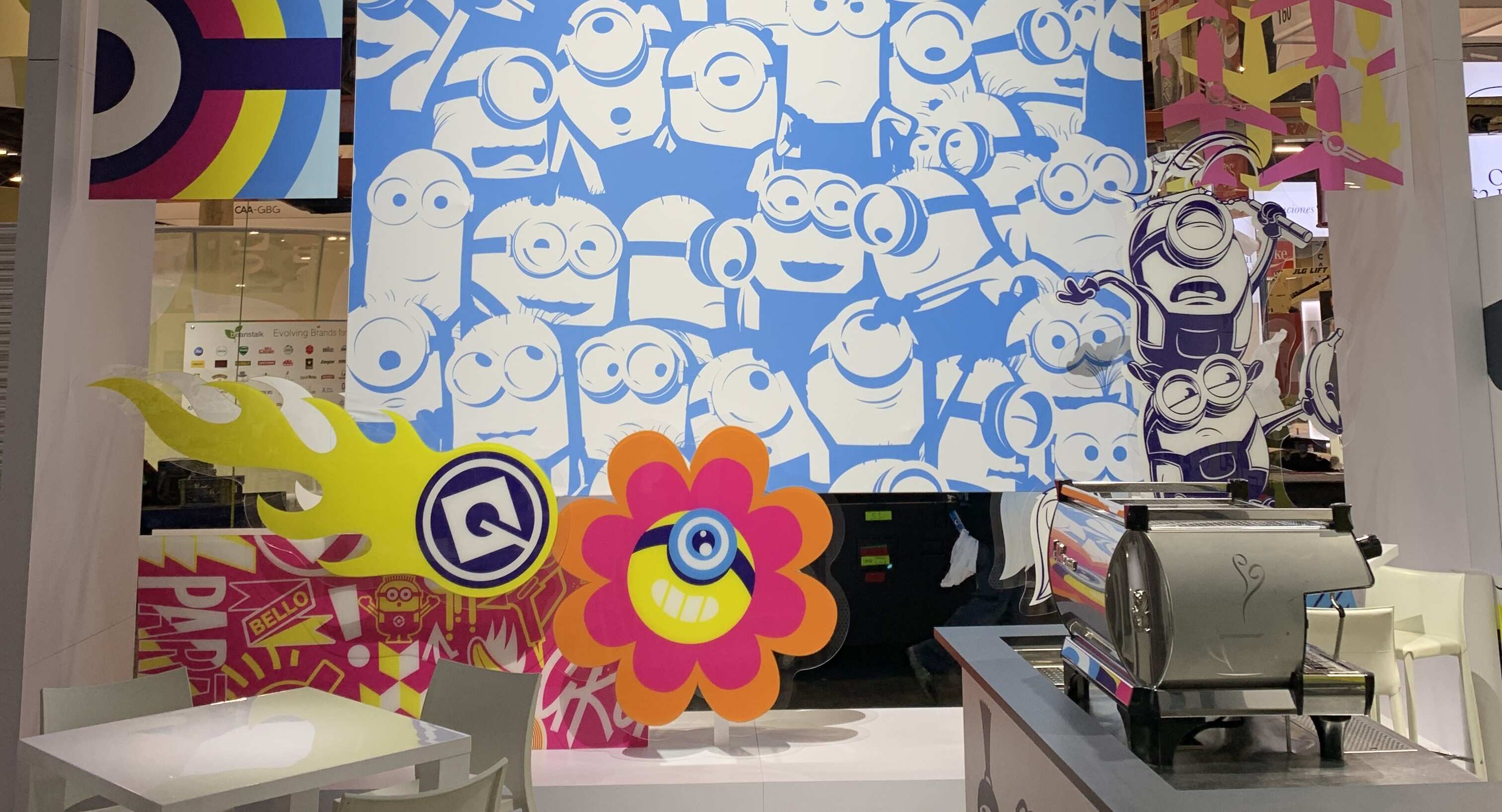
Wall decals range from small logo applications to full-wall murals. The challenge is wall texture — most office walls have an orange-peel or knockdown texture that interferes with adhesion and print clarity.
For smooth walls (drywall with flat paint, glass, metal):
For textured walls:
Removal considerations: Matte and flat paint tears when you remove standard vinyl. Use a low-tack or removable adhesive (3M Controltac with Comply) if the wall will need to be restored. Gloss and semi-gloss paint holds up better to decal removal.
For more on the material differences, see our cast vs calendered vinyl comparison.
Not every vehicle needs a full wrap. Spot graphics — logo decals, phone numbers, and service descriptions applied to doors, tailgates, or rear windows — deliver branding at a fraction of full wrap cost.
Material: Always cast vinyl for vehicle applications. Calendered vinyl shrinks on curved automotive panels within months. 3M IJ180Cv3 or Avery Dennison Supreme Wrapping Film are the standard choices.
Common placements:
Durability: Cast vinyl spot graphics on vehicles last 5-7 years with proper care. Perforated rear window vinyl lasts 3-5 years before the perforations start to clog and reduce visibility.
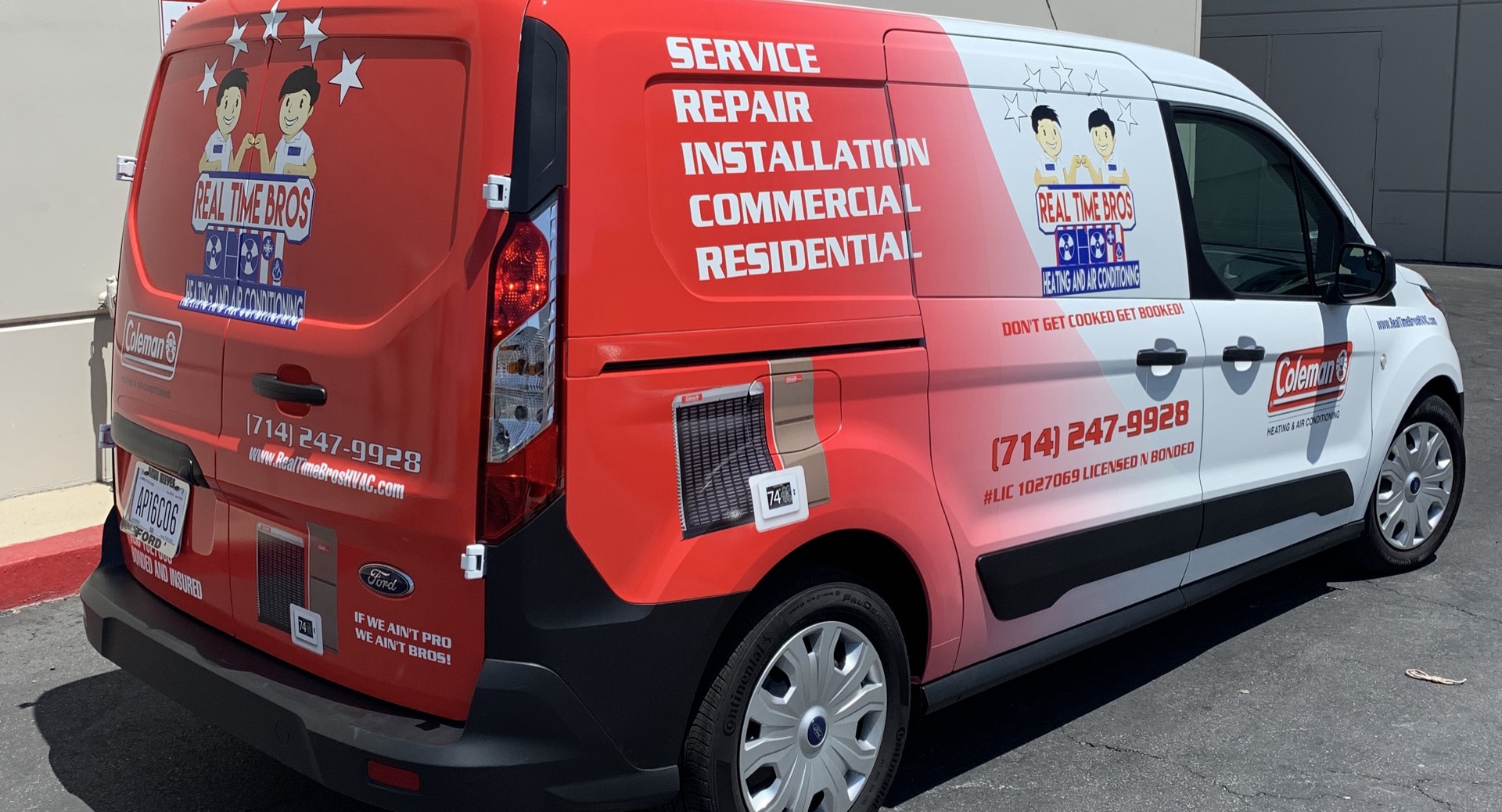
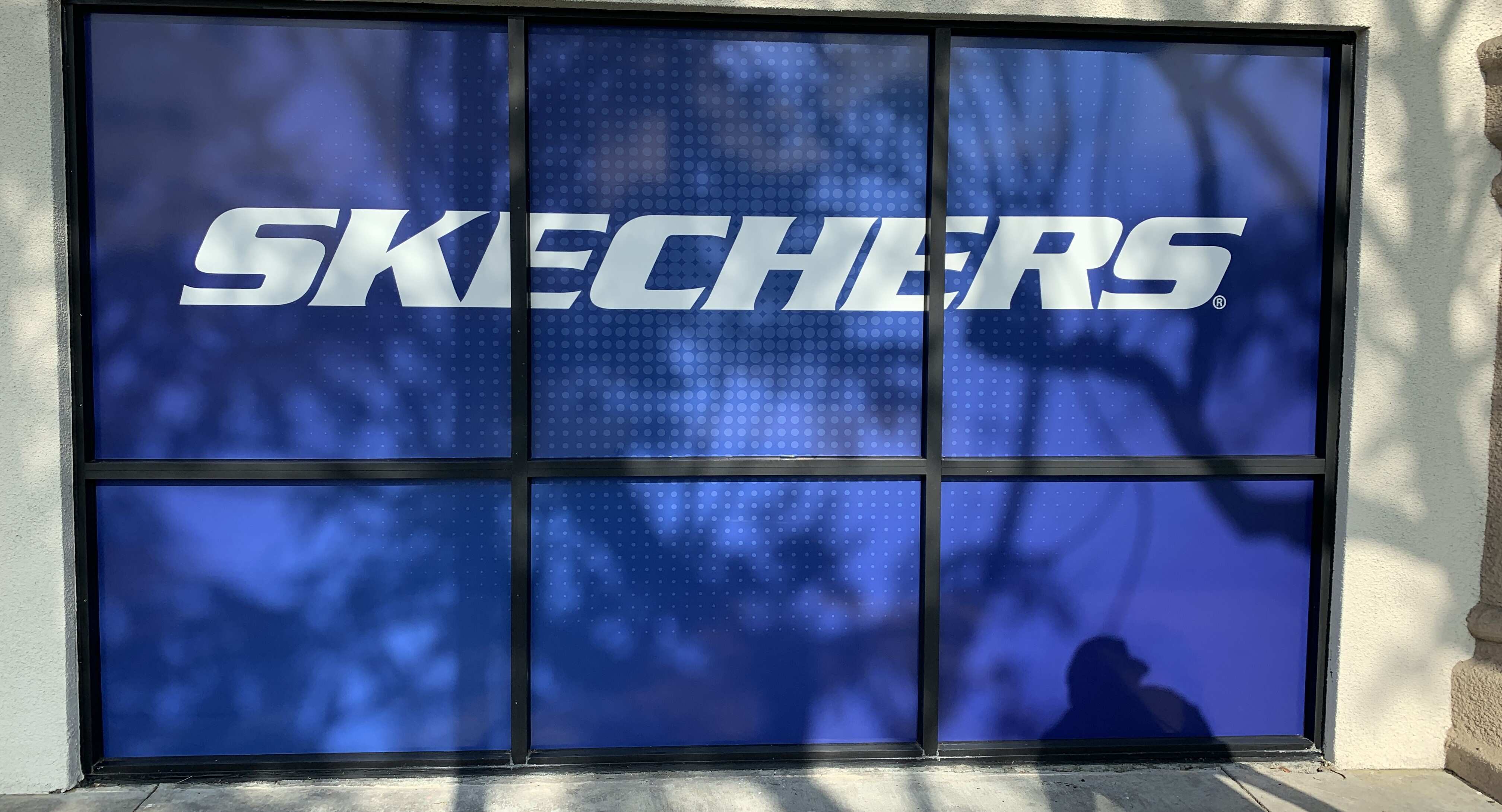
Window applications serve two purposes: branding (logos, hours, promotional graphics) and privacy (frosted film, perforated vinyl).
Exterior-applied decals face outward and are exposed to weather. Use cast vinyl with a UV-protective overlaminate. First-surface application is standard for store hours, logos, and promotional graphics.
Interior-applied decals (second surface) are applied to the inside of the glass, printed in reverse. They're protected from weather and vandalism but limited to smooth glass surfaces. Retail stores often use second-surface graphics for semi-permanent branding.
Frosted vinyl simulates etched glass for privacy. Applied to conference room glass, bathroom windows, and storefronts. See our office branding checklist for conference room privacy film recommendations.
Smaller decals for equipment, products, packaging, and promotional giveaways. These are typically die-cut from printed vinyl sheets.
Materials:
Die-cutting: Custom contour cuts around your logo or design shape. We cut on a Summa flatbed cutter for precision — tolerances within 0.5mm on detailed cuts.
| Application | Use Cast | Use Calendered |
|---|---|---|
| Vehicle wraps or spot graphics | Yes | No |
| Outdoor signage (3+ years) | Yes | No |
| Textured walls | Yes | No |
| Flat indoor walls | Optional | Yes — saves 30-40% |
| Floor graphics | Either — depends on duration | Yes for short-term |
| Temporary promotions (< 1 year) | No (overkill) | Yes |
| Product labels | No (overkill) | Yes |
For the full comparison, including how to tell what vinyl a vendor is quoting you, see our cast vs calendered vinyl guide.
Every decal application requires clean, dry surfaces. The specifics vary:
Vehicles: Wash with isopropyl alcohol (IPA) wipe-down. Wax, ceramic coatings, and paint sealants prevent adhesion — they must be removed from the application area with a clay bar or IPA soak. New paint needs 30 days to outgas before vinyl application.
Walls: Dust with a microfiber cloth. Freshly painted walls need 2-3 weeks to cure. Flat paint should be tested with a sample piece first — if the paint pulls off with the vinyl, the wall needs a coat of eggshell or semi-gloss.
Floors: Sweep and mop with a pH-neutral cleaner. No wax or polish — it creates a release layer under the decal. Concrete floors with silicone sealers may need a primer.
Glass: Clean with a non-ammonia glass cleaner (ammonia can affect adhesive chemistry on some vinyl products). Lint-free wipes only.
How cleanly a decal removes depends on the material, how long it's been installed, and the surface conditions.
Within rated lifespan: Most quality vinyl removes cleanly with slow, 180-degree pulls. Warming with a heat gun (not a torch) softens the adhesive for easier removal.
Past rated lifespan: Adhesive hardens and bonds permanently. Removal requires adhesive remover (3M Citrus Cleaner or rapid remover) and significant labor. On painted walls, you may damage the paint regardless of technique.
Adhesive residue: If you see white haze or sticky residue after removal, apply 3M adhesive remover, let it soak for 5 minutes, and wipe with a microfiber cloth. Don't use razor blades on painted surfaces.
We produce custom decals for applications ranging from single vehicle door logos to multi-location floor graphic rollouts. All production happens in our Irvine facility — design, printing, laminating, cutting, and installation. We carry 3M and Avery Dennison media for every application type and can recommend the right material for your surface, environment, and timeline.
Contact us with your project details — surface type, size, quantity, and how long you need the graphics to last — and we'll provide a material recommendation and quote.
Explore how Focus Graphics can help with your next project: