Choosing between vinyl and fabric for your signage project can significantly impact both the appearance and functionality of your graphics. Our material comparison guide covers even more detail, but here we'll break down the key differences to help you make an informed decision.
Vinyl Signage
Vinyl remains the most popular material for large format graphics, and for good reason.
Advantages of Vinyl
Durability
Excellent weather resistance
3-7 year outdoor lifespan
Resistant to moisture and humidity
Easy to clean and maintain
Versatility
Available in countless finishes (gloss, matte, satin)
Can be applied to almost any smooth surface
Options for perforated, reflective, and specialty films
Works for temporary or permanent installations
Cost-Effectiveness
Generally lower material cost than fabric
Efficient production process
Long service life provides good ROI
Print Quality
Vibrant, saturated colors
Sharp detail reproduction
Excellent for photographic images
Consistent color matching
Limitations of Vinyl
Can show reflections/glare in certain lighting
Not ideal for curved or soft surfaces
Heavier than fabric alternatives
Can wrinkle if not stored properly
Environmental concerns (not biodegradable)
Best Applications for Vinyl
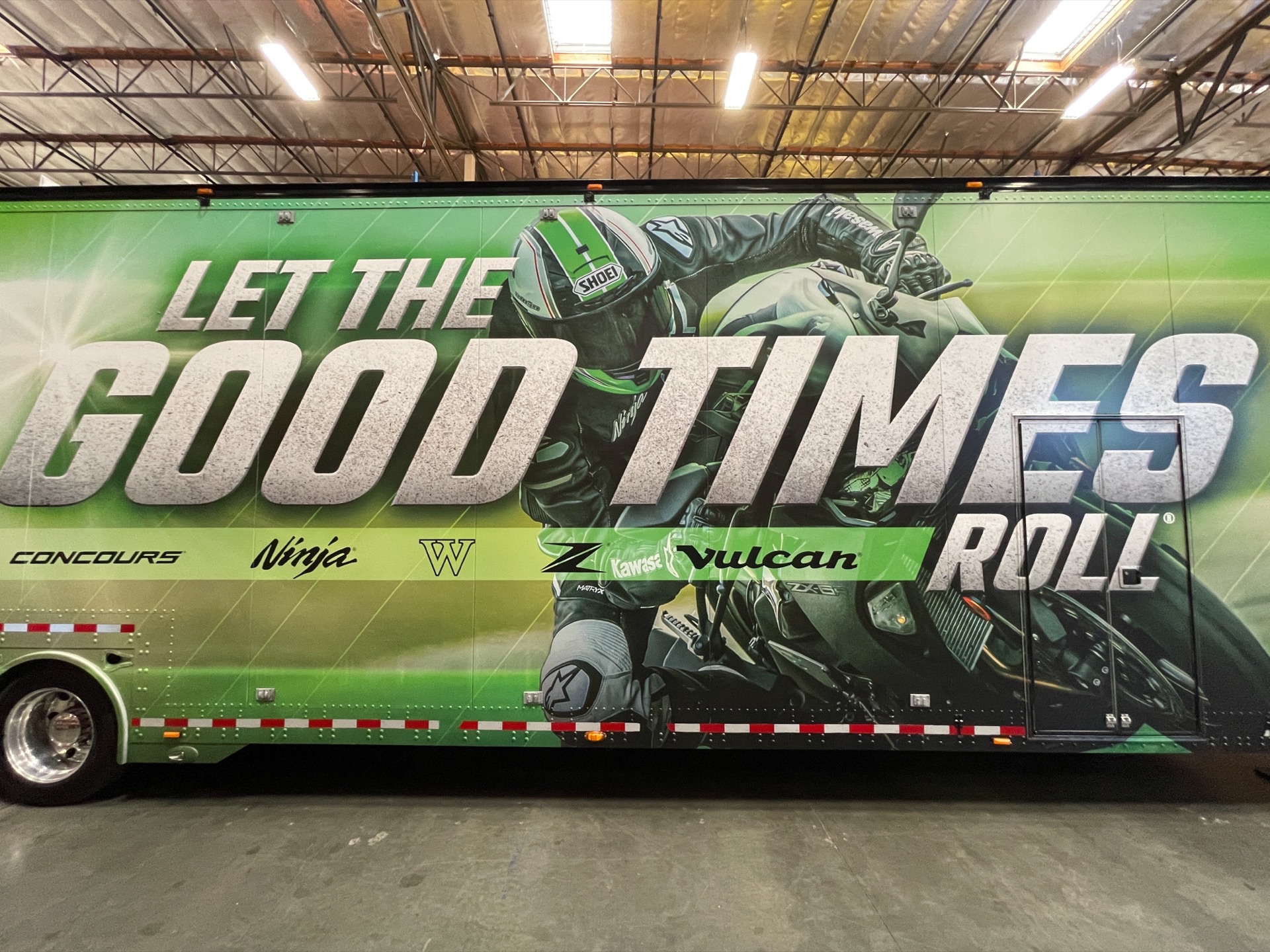
Vehicle wraps and fleet graphics
Outdoor banners and signs
Window graphics
Wall murals (smooth surfaces)
Floor graphics
Building wraps
Fabric Signage
Fabric graphics have grown significantly in popularity, especially for indoor and event applications.
Advantages of Fabric
Appearance
Soft, premium look
No glare or reflection
Elegant draping quality
Modern, upscale aesthetic
Portability
Lightweight and compact
Wrinkle-resistant (especially polyester)
Easy to ship and transport
Machine washable in many cases
Setup & Display
Slides easily onto frames
No bubbles or application issues
Quick setup and takedown
Reusable for multiple events
Sustainability
Many recyclable options available
Less material waste
Eco-friendly printing options
Limitations of Fabric
Generally higher material cost
Less vibrant colors than vinyl
Limited outdoor durability
Requires tension frames or hanging systems
May fade faster in direct sunlight
Best Applications for Fabric
Trade show backdrops
Retractable banner stands
Hanging signs and flags
SEG (Silicone Edge Graphics) displays
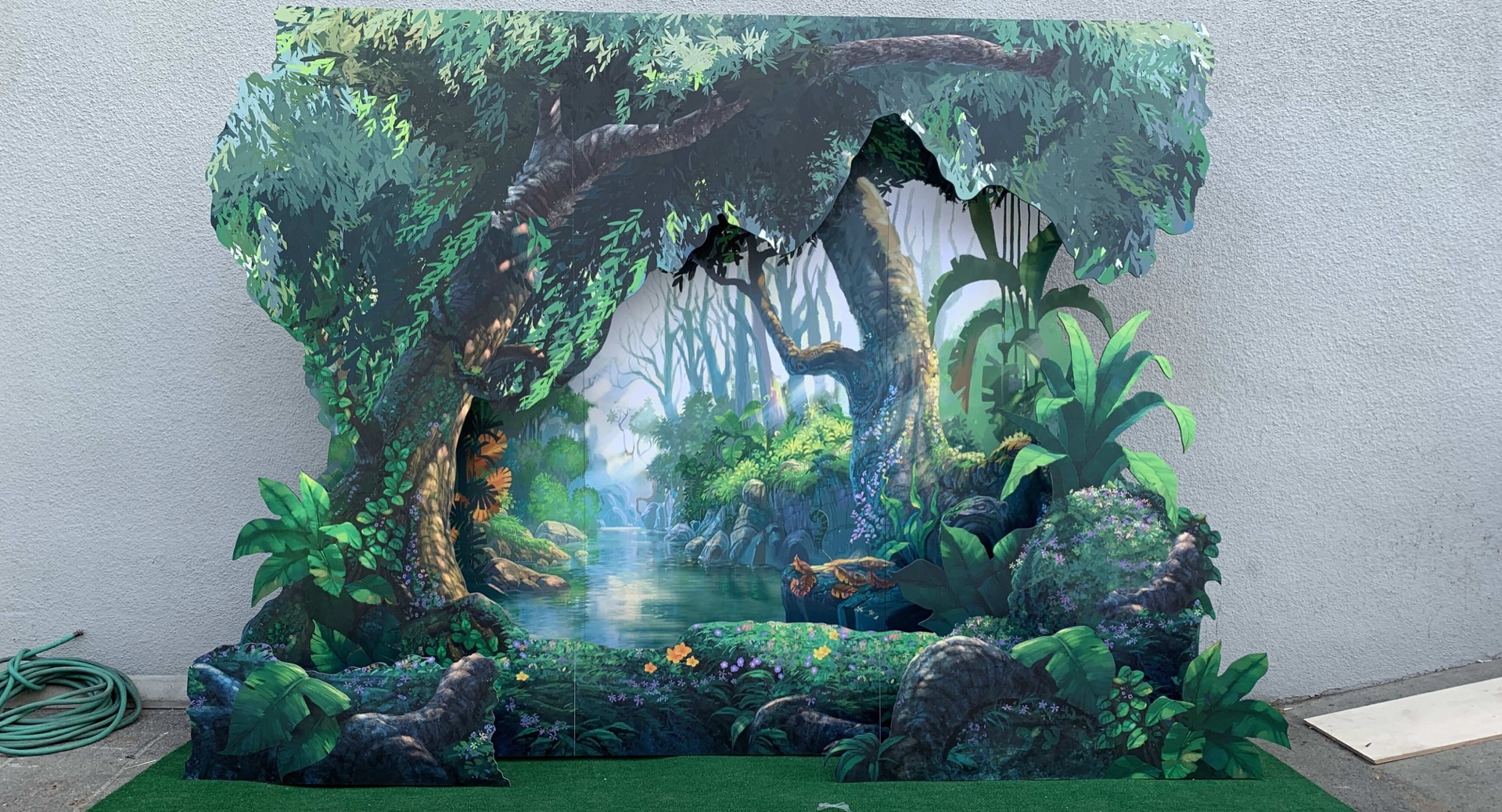
Photo backdrops
Indoor retail displays
Event signage
Side-by-Side Comparison
Factor
Vinyl
Fabric
Initial Cost
Lower
Higher
Durability (Outdoor)
Excellent
Fair
Durability (Indoor)
Excellent
Excellent
Print Quality
Excellent
Very Good
Portability
Good
Excellent
Setup Ease
Moderate
Easy
Reusability
Limited
High
Weight
Heavier
Lighter
Glare
Can reflect
No glare
Eco-Friendly
Less
More
Making Your Decision
Choose Vinyl When:
Your signage will be outdoors
You need maximum color vibrancy
The installation is permanent or semi-permanent
Budget is a primary concern
You're wrapping vehicles or curved surfaces
Choose Fabric When:
Your display is primarily indoor
You need a premium, soft appearance
Portability is important (trade shows, events)
You'll reuse the graphics multiple times
You want to avoid glare in photographs/video
Hybrid Solutions
Many projects benefit from using both materials:
Trade show booths: Fabric backdrops with vinyl graphics for counters
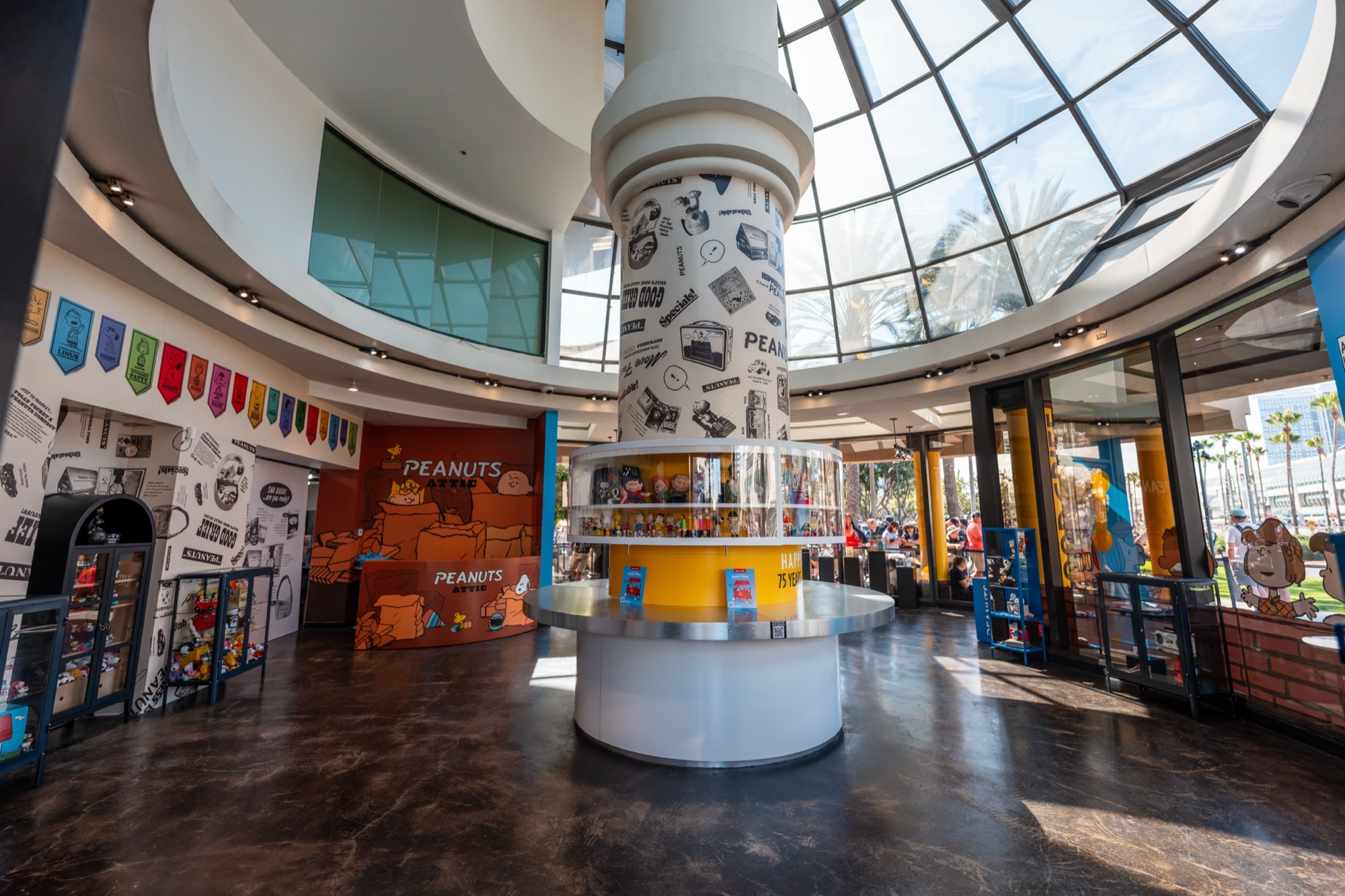
Retail environments: Fabric hanging signs with vinyl window graphics
Events: Fabric step-and-repeat with vinyl directional signage
The Bottom Line
There's no universally "better" material—the right choice depends entirely on your specific application, environment, and goals. Consider where the signage will be displayed, how long you need it to last, and how it fits into your overall brand presentation.
Need Help Choosing?
Our team at Focus Graphics can help you select the perfect material for your project. We work with premium vinyl and fabric materials from leading manufacturers like 3M and Avery Dennison. Explore our print services or browse our portfolio to see these materials in action, including our Panasonic Portland project.